
Every season gets claimed by some kind of music, usually by marketing. Autumn is the one case where the match feels earned. Jazz and October belong together so naturally that it is worth asking why — and the answer has less to do with falling leaves than with what jazz does to the pace of a room.
A music built on give and take
Most popular music is built to be predictable: you know where the chorus lands. Jazz is built on the opposite principle. Even in its gentlest forms, there is a conversation happening — someone states a line, someone answers it, the shape bends. That quality of unforced back-and-forth is why jazz sits so well in a room where people are talking, reading or doing very little. It gives the ear something to follow without ever insisting.
It is also why jazz suits a season of slowing down. Our Smooth Autumn Jam was put together with exactly this in mind, and Autumn in Jazz takes the same season in a warmer, more electric direction.
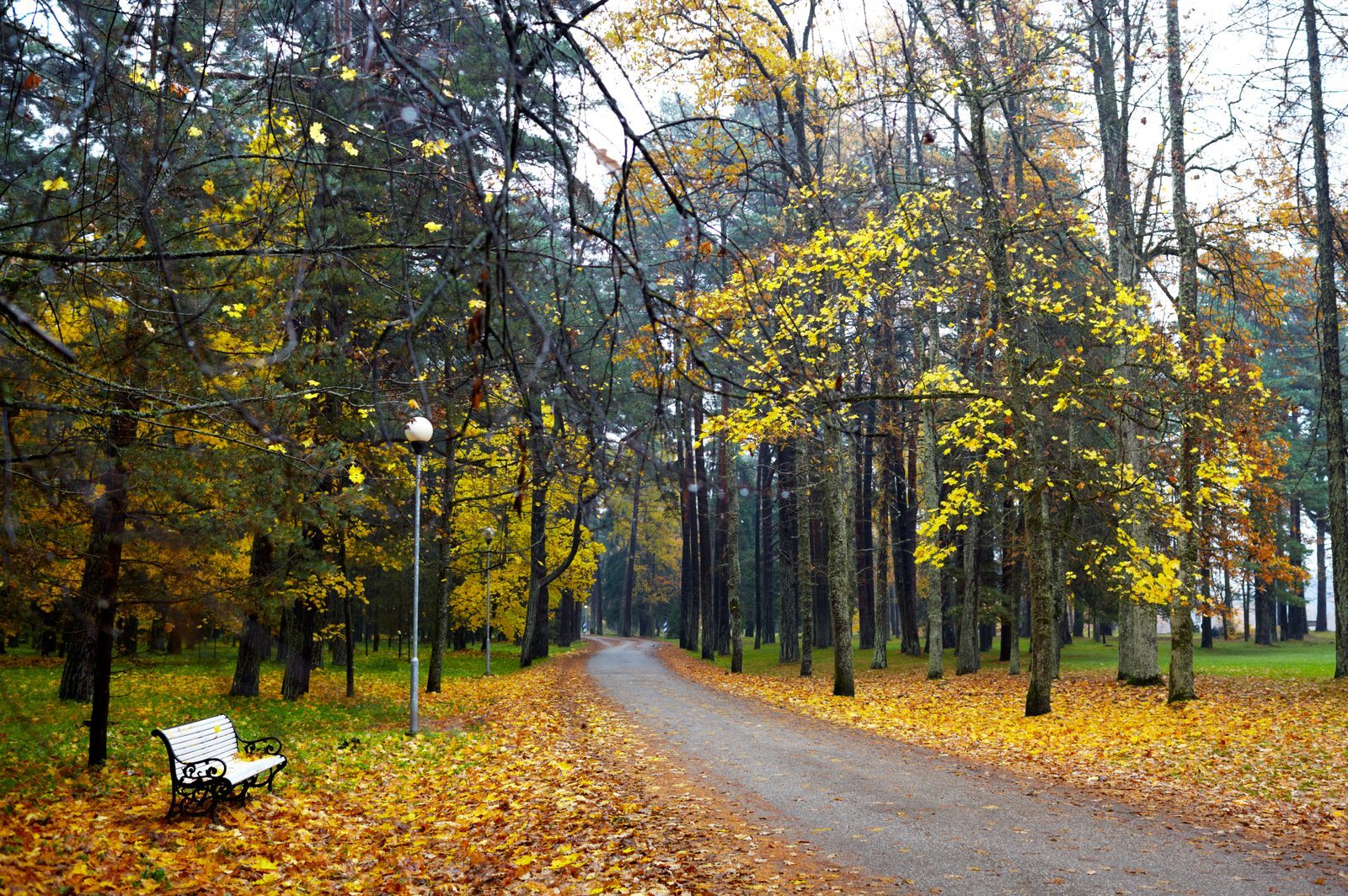
Why the season feels nostalgic — and why that is pleasant
Autumn carries a built-in backwards glance. Interestingly, research suggests that this slight ache is part of the appeal rather than a cost. In a 2014 survey published in PLOS ONE, Taruffi and Koelsch asked 772 people about listening to sad music and found that the emotion most frequently reported was nostalgia — named by roughly three quarters of respondents — ahead of sadness itself. Participants described rewards including comfort, imagination and a kind of emotion felt safely, without real-life consequences.
Jazz ballads live precisely in that territory: warm and a little wistful at once. If that is the register you want, our Nostalgic mood gathers it across styles, and The Power of Sad Music looks more closely at why bittersweet listening tends to feel good.
Three doors into autumn jazz
Jazz is a big word, and newcomers often bounce off it by starting in the wrong place. Three reliable entry points:
Start with texture rather than virtuosity — smooth, mid-tempo material that establishes a mood and stays there. Daily Jazzin is built for this kind of everyday listening. Then try evening jazz, which trades brightness for intimacy: Milan Romance is a good example of the late, low-lit version. Finally, if you want jazz with more forward motion for a Saturday, Dancing to Jazz leans on swing and ragtime and is considerably more cheerful than its reputation suggests.
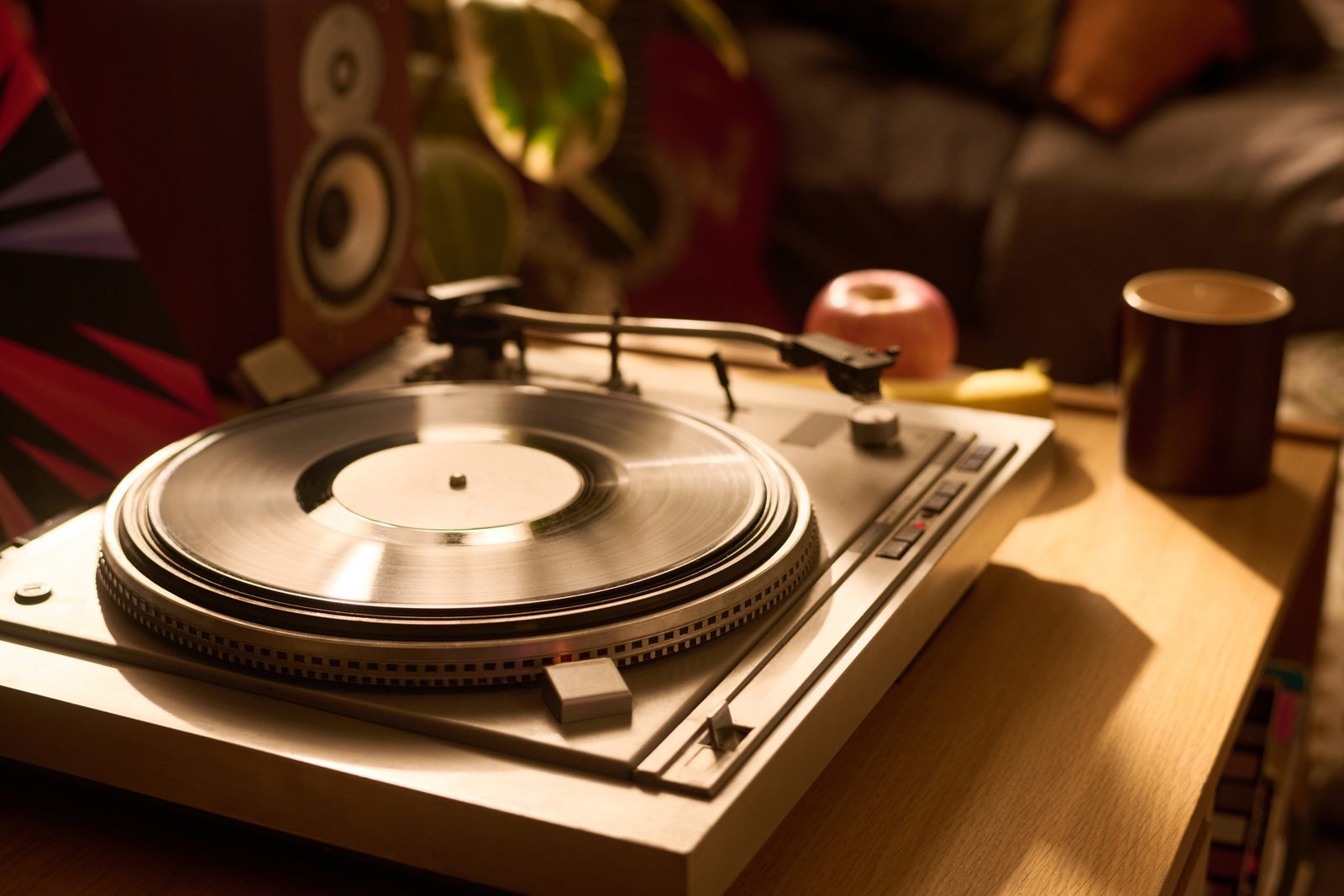
Jazz and classical are closer than they look
Listeners who enjoy autumn jazz often find themselves unexpectedly comfortable with chamber music, and the reason is structural: both are small-group musics built on listening between players rather than on a beat. If the jazz trio appeals, a string quartet is a shorter step than it seems. Classic Sensations is the natural crossing point, and Cello Passion offers the same low, warm centre of gravity that draws people to the saxophone.
How to use it
Autumn jazz is at its best as the sound of an unremarkable evening — cooking, tidying, reading, a glass of something. It asks almost nothing of you, which is the whole point. Put it on early, keep it low, and let it establish the pace rather than react to it. Somewhere around the second or third track, you will notice you have slowed down to meet it.
If the evening turns social rather than solitary, Blue Gin keeps the mood but raises the lights a little.
Sources
- PLOS ONE — Taruffi & Koelsch, The Paradox of Music-Evoked Sadness: An Online Survey (2014). 772 participants.
- Frontiers in Psychology — Schäfer, Sedlmeier, Städtler & Huron, The psychological functions of music listening (2013). 834 participants.
Image credit: Envato Elements.
Created with the help of artificial intelligence.
